Updated: July 2026
Ambon Island's Marine Life: Anticipating 2027's Diving Seasonality Shifts
Ambon Island, Indonesia, with a consistent average temperature of 27°C and water temperature of 28°C, is anticipating significant shifts in its diving seasonality by 2027. These changes are primarily influenced by evolving monsoon patterns affecting the South East Season (May to November) and North West Season (December to April).
Ambon Island has long been celebrated for its extraordinary marine biodiversity, drawing divers from across the globe to its warm, clear waters. As we look towards 2027, the island’s diving calendar is undergoing subtle yet important adjustments, driven by regional climatic shifts. Understanding these changes is crucial for planning an optimal diving excursion, ensuring visitors experience the very best of Ambon’s underwater spectacles.
The Enduring Allure of Ambon’s Underwater Realm
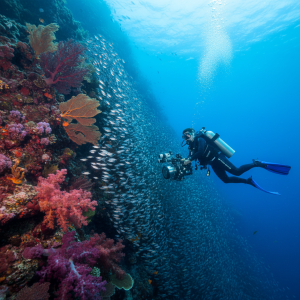
Ambon’s position within the Coral Triangle makes it a hotspot for marine life. The island’s waters host an astonishing array of species, from the minuscule critters that fascinate macro photographers to larger pelagics that occasionally grace the deeper reefs. The average water temperature of 28°C provides comfortable conditions year-round, yet specific seasons have traditionally offered distinct advantages for certain types of diving.
Historically, the South East Season, running from May to November, was characterised by drier weather and calmer seas on the northern coasts, making it ideal for exploring areas like Laha and Galala. Conversely, the North West Season, from December to April, brought calmer conditions to the southern reaches, opening up sites around Leihitu and the outer Ambon Bay. These established patterns are now experiencing a gradual rebalancing.
Projected Seasonality Shifts for 2027
By 2027, forecasts suggest a more nuanced diving seasonality. While the fundamental monsoon periods will remain, their intensity and precise timing are expected to vary. The South East Season may see extended periods of calm in previously affected areas, potentially lengthening the prime window for northern and western dive sites. Conversely, the North West Season might introduce earlier or later onsets of its calmer periods, offering new opportunities for southern and eastern exploration.
This shift is not a radical alteration but rather a subtle recalibration, requiring divers and operators to adopt a more flexible approach. The key will be monitoring localised weather patterns closer to the travel dates, as microclimates around the island can sometimes defy broader forecasts. The island’s total land area of 743.37 km² means that conditions can vary significantly from one side to another on any given day.
Adapting to New Diving Windows
For those planning a dive trip to Ambon Island in 2027, flexibility will be paramount. Instead of rigid adherence to traditional seasonal advice, considering a broader window for travel and being prepared to dive different parts of the island will yield the best results. Dive operators, with their intimate knowledge of local conditions, will become even more invaluable in guiding visitors to the most productive sites.
A typical premium diving trip exploring Ambon’s cultural experiences and village visits could range from $9,850 for 12–23 days, with more extensive trips reaching $26,999. Budget-conscious travellers can find basic homestays with AC rooms for around 100,000 Rp (approximately $6.50 USD), particularly in areas like Namalatu Beach.
Macro Photography and Muck Diving: A Year-Round Delight
One aspect of Ambon’s diving that remains consistently excellent, regardless of seasonal shifts, is its macro and muck diving. Ambon Bay, in particular, is renowned globally for its extraordinary collection of rare and unusual critters. Species such as the Ambon scorpionfish, various frogfish, flamboyant cuttlefish, and numerous nudibranchs thrive in the silty, nutrient-rich waters.
- Ambon Scorpionfish (Pteroidichthys amboinensis)
- Rhinopias (various species)
- Flamboyant Cuttlefish (Metasepia pfefferi)
- Mimic Octopus (Thaumoctopus mimicus)
- Harlequin Shrimp (Hymenocera picta)
- Pygmy Seahorse (Hippocampus bargibanti)
The consistent water temperature of 28°C year-round ensures that these fascinating creatures are present, offering exceptional photographic opportunities whenever you visit. While some sites might be temporarily affected by surface conditions, the sheer number of muck diving locations within the sheltered bay means there is always an alternative.
The Role of Conservation in a Changing Climate
As Ambon Island adapts to evolving climate patterns, the importance of marine conservation becomes even more pronounced. Protecting the delicate coral reefs and unique ecosystems is vital for sustaining the island’s marine life and, by extension, its tourism industry. Visitors are encouraged to choose responsible dive operators who adhere to strict environmental guidelines, ensuring minimal impact on the underwater environment.
The island’s total population, projected to exceed 490,000 by 2027, underscores the growing human interaction with these fragile ecosystems. Sustainable practices, from waste management to responsible tourism, are critical. For those exploring other parts of Indonesia, remember that responsible travel extends to all your choices, even down to your transport. Consider a bali luxury car rental for your travels there, ensuring comfort and reliability while supporting businesses committed to local standards.
Planning Your 2027 Ambon Dive Expedition
To maximise your Ambon Island diving experience in 2027, consider the following:
| Aspect | 2027 Recommendation |
|---|---|
| Best Time to Visit | May-November for overall calmer seas; specific site conditions dependent on localised weather. December-April for southern sites. |
| Diving Focus | Macro/Muck diving consistently excellent year-round. Reefs and walls best during calmer periods for specific locations. |
| Accommodation | Book in advance, especially during peak periods. Options from basic homestays (100,000 Rp) to more premium lodges. |
| Transport | Local boats and taxis readily available. Dive resorts often provide transfers. |
| Preparation | Check with dive operators closer to your travel date for the most current conditions and site recommendations. |
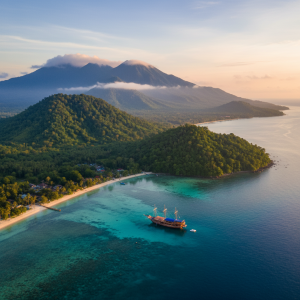
Ambon Island, with its highest point at 1,225 meters, offers stunning terrestrial views to complement its underwater wonders. The shift of the central business district from Kota Lama to Passo, and the nearing completion of Citraland Bay View City in Lateri, indicate a dynamic island evolving above and below the surface.
Q&A: Diving in Ambon in 2027
Q: Will the predicted seasonality shifts make Ambon Island less predictable for diving?
While there will be nuances compared to historical patterns, Ambon’s overall predictability for diving will remain high. The key is to engage with local dive operators who possess current, on-the-ground knowledge of conditions. The island’s diverse range of dive sites means that suitable options are almost always available, even if a specific area is temporarily affected by weather.
Q: What are the best dive sites for macro photography if I visit Ambon Island during the North West Season in 2027?
During the North West Season, the southern parts of Ambon Bay and some sheltered areas along the southern coast typically offer excellent conditions for macro photography. Sites like Laha, known for its Ambon scorpionfish, and various locations within the bay itself, continue to be productive. Always consult with your dive guide for the most up-to-date recommendations on specific sites and conditions.