Updated: July 2026
Navigating Ambon Island's Monsoon Season for Diving in 2027
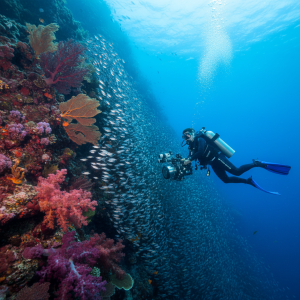
Ambon Island’s monsoon season, specifically the south-east monsoon from May to October, presents distinct conditions for diving, characterised by rougher seas on the southern coast and calmer, clearer waters on the northern side. Divers in 2027 should plan accordingly, focusing on northern dive sites during these months to ensure optimal visibility and safety, while the north-west monsoon from November to April offers favourable conditions across the entire island.
Ambon Island, a jewel in Indonesia’s Maluku archipelago, has long been celebrated for its vibrant marine biodiversity. As we look towards 2027, the island continues to attract discerning divers seeking encounters with its rich underwater ecosystems. However, understanding Ambon’s distinct monsoon seasons is paramount for planning a successful diving expedition. Far from a uniform experience, the island’s weather patterns dictate which dive sites offer the best conditions, particularly during the traditionally ‘off-peak’ months.
Understanding Ambon’s Monsoon Dynamics
Ambon Island experiences two primary monsoon seasons, each bringing different weather and sea conditions. The south-east monsoon, running from May to October, is characterised by winds blowing from the south-east. This results in rougher seas and reduced visibility along the southern coast of the island. Conversely, the northern coast typically remains sheltered during this period, offering calmer waters and excellent diving conditions.
The north-west monsoon, from November to April, sees winds from the north-west. During these months, the northern coast can experience choppier conditions, while the southern coast often becomes more accessible and clearer. Understanding this geographical nuance is crucial for divers in 2027, ensuring they target the most suitable locations based on the prevailing weather. With an average temperature of 27°C and a consistent water temperature of 28°C, the warmth remains constant, making the primary variable sea state and visibility.
Diving the Northern Coast During the South-East Monsoon (May-October)
For divers visiting Ambon Island between May and October in 2027, the northern coast will be the primary focus. Areas such as Laha, known for its muck diving, and the various sites around Ambon Bay, will offer sheltered conditions. The bay itself, approximately 10 kilometres long, acts as a natural harbour, protecting its inner waters from the strong south-easterly winds. Visibility in these areas during this period can reach upwards of 20-30 metres on good days, revealing an astonishing array of macro life, including frogfish, nudibranchs, and various species of octopus.
The shift of the central business district from Kota Lama to Passo, and the anticipated near-completion of Citraland Bay View City in Lateri by 2027, further underscores the developing infrastructure around the bay, making access to these northern dive sites increasingly convenient. Divers might consider staying in accommodations around these developing areas for easier access to dive operators.
Exploring the Southern Coast During the North-West Monsoon (November-April)
When the north-west monsoon arrives, typically from November to April, the southern coast of Ambon Island truly comes alive for divers. Sites such as those off the coast of Latuhalat and around the outer parts of Ambon Bay become more accessible. These areas are renowned for their vibrant coral reefs and potential for larger pelagic encounters. The conditions during this period are generally calm and clear, offering divers the chance to explore sites that might be challenging during the south-east monsoon.
The improved accessibility of the southern coast also opens up opportunities for exploring the more remote parts of the island, where cultural experiences and village visits can be integrated with diving expeditions. While premium diving trips can range up to $26,999, more budget-friendly options exist, with basic homestays like those at Namalatu Beach offering AC rooms for around 100,000 Rp (approximately $6.50 USD), making Ambon accessible to a wide range of travellers. For those considering multi-island trips within Indonesia, reputable services like bali luxury car rental can assist with ground transport logistics in other regions, ensuring a comprehensive travel plan.
Key Diving Sites and Their Seasonal Suitability
To assist divers in planning their 2027 trips, here is a breakdown of key diving sites and their optimal seasons:
- Laha (Ambon Bay): Best during the south-east monsoon (May-October). Ideal for muck diving and macro photography.
- Pintu Kota (Southern Coast): Best during the north-west monsoon (November-April). Known for its dramatic archway and vibrant reef fish.
- Rhino City (Ambon Bay): Best during the south-east monsoon (May-October). Another excellent muck diving site with unique critters.
- Namalatu Beach (Southern Coast): Best during the north-west monsoon (November-April). Offers healthy coral gardens and diverse marine life.
- Shipwreck Point (Ambon Bay): Accessible year-round, but calmer during the south-east monsoon. A historical wreck teeming with life.
Planning Your 2027 Dive Trip
By 2027, Ambon Island’s population is projected to exceed 490,000, signifying continued development and improved infrastructure. When planning your dive trip, consider the following:
| Aspect | Consideration for 2027 |
|---|---|
| Travel Dates | Align with monsoon seasons for optimal dive site access. |
| Accommodation | Book in advance, especially during peak seasons. Options range from budget homestays to premium resorts. |
| Dive Operators | Choose operators with local expertise and a strong safety record. |
| Insurance | Ensure comprehensive travel and dive insurance coverage. |
| Local Transport | Factor in travel time to dive sites. The island covers 743.37 km², so distances can be significant. |
Beyond the Dive: Ambon’s Terrestrial Charms
While diving is undoubtedly a major draw, Ambon Island offers more than just underwater spectacles. The island’s highest point reaches 1,225 meters, providing opportunities for trekking and enjoying panoramic views. Cultural experiences, such as visiting local villages and experiencing traditional Maluku hospitality, add another layer to any visit. With the steady economic shift and development, the island maintains its authentic charm while gradually improving visitor amenities. The blend of rich history, vibrant culture, and exceptional natural beauty ensures that Ambon Island remains a compelling destination for 2027 and beyond.
Q&A: Diving in Ambon During the Monsoon
Q: Is it advisable to dive in Ambon Island during the south-east monsoon (May-October)?
A: Yes, absolutely, provided you focus on the northern coast of the island and Ambon Bay. These areas are sheltered from the prevailing winds and offer excellent visibility and calm conditions, particularly for muck diving and macro photography. The southern coast will be rougher during this period.
Q: What types of marine life can I expect to see during Ambon’s monsoon seasons?
A: Ambon Island is renowned for its biodiversity year-round. During the south-east monsoon, the sheltered northern sites are excellent for macro life such as frogfish, nudibranchs, various species of octopus, and seahorses. During the north-west monsoon, when the southern sites are accessible, you can expect vibrant coral reefs, reef sharks, turtles, and a wider variety of pelagic species alongside the macro inhabitants.