Updated: July 2026
The Best Time to Visit Ambon Island for Diving (Month-by-Month, 2026)
When to dive Ambon — the calendar that actually matters.
The ‘best season’ answer is October to April. The full answer is more interesting, and changes what you book. (See Ambon Island for context.)
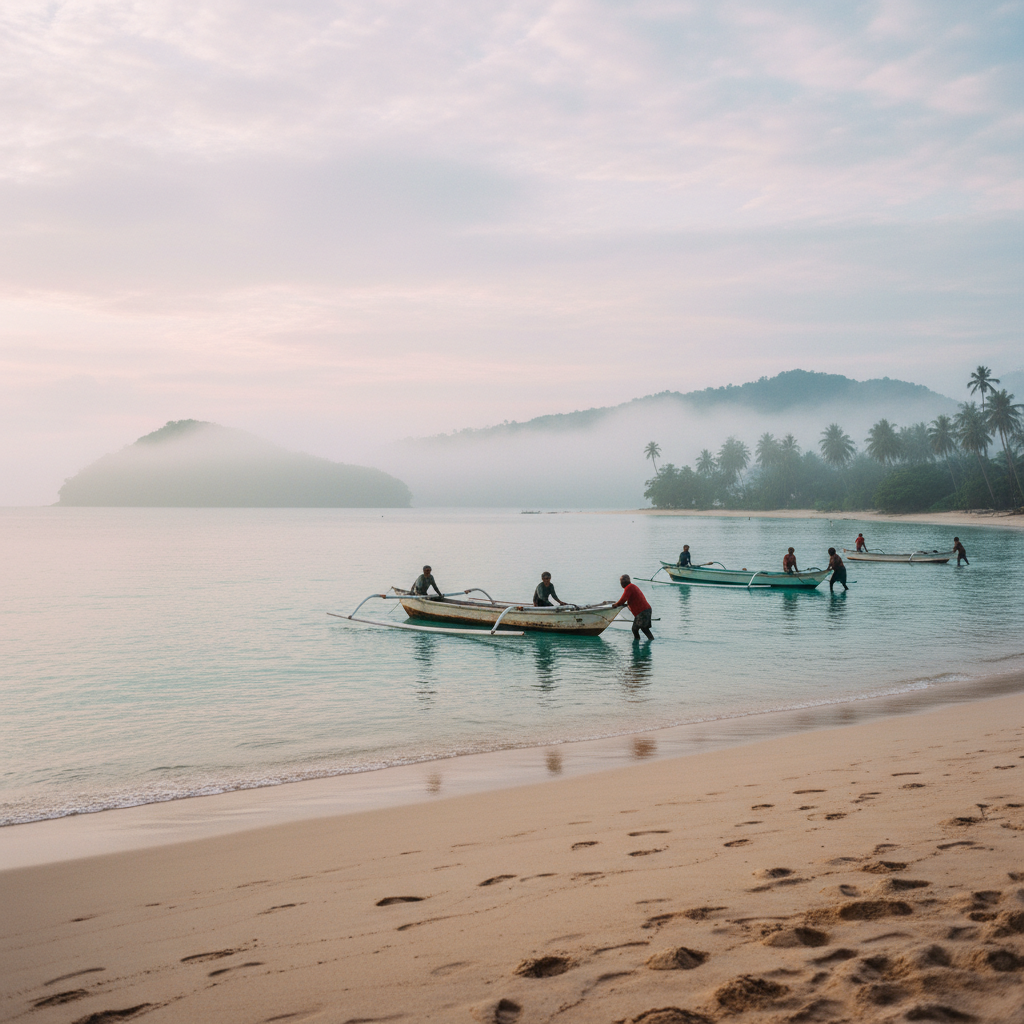 Maluku archipelago — Ambon”/>
Ambon sits south of the equator, just below Maluku. Its weather is governed by two monsoons — the southeast (May-September, locally called musim timur) and the northwest (October-April, musim barat).
For divers, this matters more than for almost any other part of Indonesia. The Banda Sea opens up only when the wind cooperates. Liveaboard operators cancel monsoon weeks. Visibility swings from 8 meters to 40 meters depending on the month.
The honest calendar
| Month | Conditions | Recommend? |
|---|---|---|
| January | NW winds, occasional rain, vis 20-25m, water 28°C. | Yes — local divers’ favorite. |
| February | Calm seas, vis 25-30m, mandarinfish peak. | Strongly yes. |
| March | Best month historically. Vis 30-40m. Pelagic action. | Strongly yes — book 6 mo. ahead. |
| April | Transition month, vis still good (25-30m), thinner crowds. | Yes. |
| May-Sept | SE monsoon. High wind, swell, liveaboards mostly closed. | No. |
| October | Season opens, conditions improving, vis 18-22m. | Yes (cheaper). |
| November | Stabilizing, vis 22-28m, water clearing. | Yes. |
| December | Vis 25-30m. Whale shark sightings near Banda. | Strongly yes. |
If you only have one week, pick this one
The third week of March, on average, hits the maximum overlap of: best visibility (30+ meters), calmest seas, peak mandarinfish activity, and pelagic season (rays and schooling barracuda). It’s also when the Banda Sea feels glassy — like diving in a pool. Operators sell out March six to nine months in advance for this reason.
If March doesn’t work, our second pick is the first two weeks of November. Conditions are 90% as good, fewer divers in the water, and resort/liveaboard pricing is typically 10-15% lower than peak.
When NOT to come (and why)
May through September is the southeast monsoon. The Banda Sea passage gets winds of 25-35 knots regularly. Two of three Ambon liveaboard operators close completely; the third runs a shortened route inside Ambon Bay only. Visibility drops to 8-15 meters. The land-based experience is also reduced — many warungs close, the harbor walk is wet most days, and humidity sits above 90%.
If your only window is June, July, or August: pick Bunaken or Lembeh instead. Both are protected from the southeast monsoon and continue running normal schedules.
The shoulder season trick
October and April are technically transition months. Weather can swing — a clear week followed by three days of rain. Most divers avoid them.
We don’t, and here’s why: critter activity is often highest precisely in transition months. Mandarinfish and rhinopias don’t care about visibility, and the cooler water temperatures (26°C vs. 28°C) bring the rare hairy frogfish out of hiding. Photography conditions for muck diving are arguably better than peak season. Add in 15-25% lower pricing and 60% lower bookings, and shoulder months become our recommended window for repeat visitors.
Booking lead time
For January-April: book 6-9 months ahead. For October-December: book 3-5 months ahead. For shoulder weeks: 6-8 weeks usually works. Last-minute (under 30 days) is rarely possible — the boats are too small and the demand from photography clubs in Europe and Japan fills calendars early.
Lock in your week
We have remaining cabins through March 2027. Reply with preferred dates and we’ll confirm availability same-day.
Unveiling Ambon’s muck diving treasures
Imagine descending into a vibrant underwater world where the ordinary morphs into the extraordinary, where minuscule wonders hide in plain sight amidst volcanic sands and coral gardens. Ambon Island, a jewel in Indonesia’s Maluku archipelago, has quietly cemented its reputation as a world-class destination for muck diving and macro photography. While its pristine reefs teem with life, it’s the unique volcanic substrate of Ambon Bay that truly sets it apart, offering a collection for discerning divers seeking the bizarre and beautiful.
This nutrient-rich environment acts as a magnet for an astonishing range of cryptic and flamboyant creatures. Here, the hunt for elusive species becomes an enthralling underwater safari. Divers frequently encounter masters of camouflage such as the intricately patterned frogfish, the mesmerizing flamboyant cuttlefish, and the intelligent mimic octopus, known for its ability to impersonate other marine animals. Ghost pipefish, various species of Nudibranchs in a dazzling spectrum of colors, and the rare Rhinopias scorpionfish are also common sightings, making every dive an exciting discovery. Ambon’s “Twilight Zone” dive site, for instance, is a renowned hotspot for these macro marvels, offering photographic opportunities.
For the luxury traveler, Ambon’s muck diving experience is elevated by expert local dive guides who possess an encyclopedic knowledge of these creatures and their habitats. They are adept at spotting the most camouflaged critters, ensuring that even the most seasoned diver leaves with a refreshed sense of wonder. High-end dive operators provide specialized equipment for macro photography, from powerful strobes to close-up lenses, ensuring every intricate detail is captured. The extensive Ambon Bay, roughly 20 kilometers long and 10 kilometers wide, provides a vast playground for these unique encounters, ensuring fresh sites and new discoveries on every visit. Ambon is truly a specialist destination within the Coral Triangle, offering a distinct flavor of marine biodiversity.
Crafting your bespoke luxury dive itinerary: beyond the blue
For the sophisticated traveler, a dive trip to Ambon extends far beyond the mere act of descending beneath the waves; it’s about curating an entire experience that blends adventure with comfort and personalized service. Ambon offers the flexibility to tailor your luxury dive escape, whether you envision a private liveaboard charter exploring the outer reefs and neighboring Banda Islands, or an exclusive stay at a boutique resort where every detail, from gourmet dining to bespoke excursions, is meticulously arranged.
Seamless logistics are paramount for a luxury journey. Ambon is conveniently accessible via Pattimura International Airport (AMQ), with frequent connections from major Indonesian hubs like Jakarta (CGK) and Bali (DPS). This ease of access allows for smooth transitions, minimizing travel time and maximizing your underwater exploration. Many luxury operators provide private airport transfers, ensuring a stress-free arrival. Once settled, personalized services might include private chefs catering to dietary preferences, on-call massage therapists, or dedicated dive instructors focused solely on your group’s needs and interests. The focus is always on creating an intimate, exclusive experience tailored to your desires.
Consider enhancing your Ambon adventure by combining it with other iconic Indonesian dive destinations. Its strategic location makes it an ideal gateway or stopover point for multi-destination itineraries that include the pristine waters of Raja Ampat or the historical richness of the Banda Islands. Imagine a journey beginning with Ambon’s macro wonders, transitioning to the pelagic encounters of Raja Ampat, and culminating in the spice-laden history and reef diving of the Banda Sea. Such bespoke itineraries, often facilitated by private yacht charters or carefully coordinated flight connections, represent the pinnacle of luxury dive travel in Indonesia, offering a comprehensive and exploration of the region’s marine and cultural heritage. For more insights into planning such a trip, the official Indonesia Travel website offers valuable resources.
Ambon’s terrestrial charms: cultural immersion and scenic escapes
While Ambon’s underwater realm is undeniably its primary draw, the island offers a compelling range of terrestrial attractions that enrich the luxury travel experience, especially for those seeking cultural immersion or scenic relaxation beyond diving. Known historically as one of the fabled “Spice Islands,” Ambon played a pivotal role in the global spice trade, particularly for cloves and nutmeg. This rich legacy is palpable in its historical sites and local traditions, offering a fascinating glimpse into centuries of trade, exploration, and colonial influence.
For a deeper understanding of Ambon’s past, visitors can explore remnants of its colonial era. Fort Amsterdam, built by the Dutch in 1637, stands as a well-preserved testament to the island’s strategic importance and offers panoramic views of the bay. A stroll through the bustling local markets reveals a vibrant mix of daily life, where the aroma of fresh spices mingles with exotic fruits and local delicacies. Cultural excursions might include visits to traditional villages, where guests can witness local crafts or participate in age-old ceremonies, offering an authentic connection to the Maluku people and their heritage.
Beyond history and culture, Ambon’s rugged topography also presents remarkable natural beauty. Picturesque beaches like Natsepa Beach, famous for its tranquil waters and local street food vendors, or the more secluded Liang Beach, offer perfect spots for relaxation and sunbathing after a morning of diving. The island’s verdant hills and lush landscapes invite gentle hikes, leading to viewpoints that reveal striking vistas of the coastline and surrounding islands. For the luxury traveler, these terrestrial excursions can be arranged with private guides and comfortable transport, ensuring a personalized and enriching experience that perfectly complements the island’s world-class diving, revealing Ambon as a multifaceted destination.